Results for

Popular pages
Top Picks for International ![International]()


AUS
CA
EU
ID
IE
IT
JP
MY (EN)
MY
MX
MENA
NL
NZ
NG
NO
PE
PHL
PHL
RU
SG
ZA
KR
ES
ES
SE
TH
TR
UK
USA
VN
 ENG
ENG
 12 m
12 m
 18796
18796

Live dealer roulette provides players at home with the ability to enjoy a game that is being played live with real dealers and real wheels. You place your chips through an on-screen betting layout, then watch the result and check how your bets are settled.
This live roulette tutorial explains the basic rules, how to place and change a bet, what zero means, and how to read a payout. The examples use standard European single-zero roulette. American, French, automated, and multiplier versions can have different rules, so open the game’s help panel before placing a real-money bet.


The examples use a standard single-zero wheel with 37 pockets. Check the actual table rules, payouts, and bet limits before placing money.


Roulette is played using a betting table, a wheel, and a ball. A European wheel has 37 pockets: 18 red numbers, 18 black numbers, and one green zero. An American wheel adds a separate 00 pocket, bringing the total to 38.
The betting layout contains the numbered cells and separate areas for selections such as red, odd, or a dozen. Each bet covers one or more numbers. At a standard table, a bet wins when it covers the pocket where the ball settles. A round can contain several bets, and more than one of them can win on the same result.
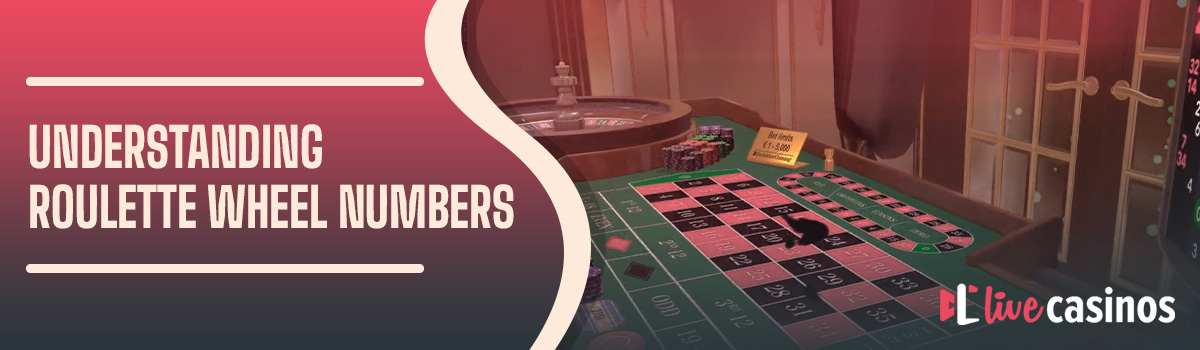
The sequence around the wheel differs from the numerical grid on the screen. Inside bets such as splits and corners follow the grid. Neighbor selections follow the wheel’s order. Our roulette wheel numbers guide explains the two layouts.
Button names and behavior vary across providers. Open Help or Rules if the function is unclear. This is what the common controls are used for:
| Control or display | What it does | What to check |
|---|---|---|
| Chip selector | Sets the amount added when placing a chip | The chip value and account currency |
| Total bet | Shows the combined stake across the round’s positions | The whole amount at risk, including repeated taps and combined bets |
| Undo / Clear | Removes a recent action or clears bets while changes are allowed | That the marker and total stake have actually changed |
| Rebet / Repeat | Places the previous selection again when available | The amount carried into the new round |
| Double / 2x | Increases the current bets, subject to balance and limits | The new total; this control increases the money wagered |
| History / Last round | Shows recorded rounds and their settlement | The round reference, accepted stake, result, and return |
Make sure the chip values, betting timer, and total stake are readable before tapping a position. A small screen can make a border or intersection harder to select. If you are unsure which bet was placed, check the displayed selection or remove it while betting remains open.
A frozen video does not tell you whether a wager was accepted or how it settled. Reconnect and check the round history before repeating a bet. If the record remains unclear, give casino support the table name, time, and round reference. The game’s connection and interruption rules determine how an affected round is handled.
Visit Mr Green. Check the operator’s current eligibility rules and roulette lobby for your location.

 Check the whole stake
Your total bet includes every chip placed for the round. Repeated taps, combined bets, and the Double button can increase that amount. Check the total and acceptance status before betting closes.
There are multiple types of bets in roulette. The main betting options are often divided into inside and outside bets, referring to their position on the layout. Inside bets cover a single number or a small group of adjacent numbers. Outside bets cover larger groups, such as a dozen or all red numbers.
A straight-up bet on 17 covers only 17. A split on the line between 17 and 20 covers both numbers. A street covers a row of three, while a corner covers four numbers sharing an intersection. A six-line bet covers two adjacent rows. The complete guide to roulette bets has more placement examples.
This chart uses a fair 37-pocket single-zero wheel and standard payouts. The percentages describe one bet winning on one spin. Payout ratios show the profit on the winning bet; its stake is returned as well.
| Bet | Numbers covered | Standard payout | Win probability |
|---|---|---|---|
| Straight up | 1 | 35:1 | 1/37 = 2.70% |
| Split | 2 | 17:1 | 2/37 = 5.41% |
| Street | 3 | 11:1 | 3/37 = 8.11% |
| Corner | 4 | 8:1 | 4/37 = 10.81% |
| First four: 0, 1, 2, 3, where offered | 4 | 8:1 | 4/37 = 10.81% |
| Six line / double street | 6 | 5:1 | 6/37 = 16.22% |
| Dozen | 12 | 2:1 | 12/37 = 32.43% |
| Column | 12 | 2:1 | 12/37 = 32.43% |
| Red or black | 18 | 1:1 | 18/37 = 48.65% |
| Odd or even | 18 | 1:1 | 18/37 = 48.65% |
| Low (1–18) or high (19–36) | 18 | 1:1 | 18/37 = 48.65% |
Outside even-money bets win more often than an individual straight-up bet and pay a smaller profit when they do. Neither type is a safe wager. Under standard European rules, both retain the same 2.70% house edge. For American probabilities and a fuller explanation of the calculations, use our roulette odds and payouts guide.
A winning $1 straight-up bet at 35:1 produces $35 profit plus the $1 winning stake, for a $36 total return. A winning $2 red bet at 1:1 produces $2 profit plus the $2 stake, for a $4 return.
When you place several bets, count them together. In this example you place $2 on red and $1 straight up on 17, a black number. Your total stake is $3.
| Winning result | Total returned | Net result after the $3 stake |
|---|---|---|
| Any red number | $4 from the red bet | +$1 |
| 17 | $36 from the straight-up bet | +$33 |
| Any other black number, or 0 | $0 | −$3 |
A casino’s Win display may show a total return. To work out the round’s net result, subtract every stake placed, including the losing bets.
Under standard full-loss rules, 0 loses on red/black, odd/even, low/high, dozens, and columns. It does not count as an even number for settling an odd/even bet. A straight-up bet on 0 wins, as does another valid bet that includes 0, according to its payout.
La Partage returns half the stake on eligible even-money bets when zero wins. It does not apply to inside bets, dozens, or columns. Other zero rules, including En Prison, use different settlement procedures, so check the table’s help before assuming a half return. The table’s name alone does not confirm the rule.
Racetrack, neighbor, and announced bets can place several chips at once. Check their combined cost and the numbers they cover. Our roulette sector bets guide explains those combinations separately.
A standard single-zero red bet covers 18 of the wheel’s 37 pockets. Its chance of winning is 48.65%, while it pays 1:1. The extra losing pocket creates the house advantage. With standard European payouts and full loss on uncovered zero, the house edge is 2.70% and theoretical return to player, or RTP, is 97.30%.
RTP describes an average over many wagers. It does not promise the amount you will receive in a short session or back from a deposit. Managing the amount and duration of play can limit the money you expose, but it does not change the payout or make the next spin more favorable.
Standard American double-zero roulette has a 5.26% house edge on ordinary bets, with a higher 7.89% edge on the five-number basket paying 6:1. On a single-zero table, La Partage reduces the edge on eligible even-money bets to about 1.35%. Games with multipliers, fees, or special payouts need their own paytable and RTP check.
Start with the game information panel. Check the zero pockets, payout table, bet limits, and any special rule. The provider’s lobby image or a familiar game name cannot replace that check.
Choose a table whose minimum allows you to keep your whole round stake within your budget. Read any bonus terms before playing with promotional funds: roulette may have limited contribution toward wagering requirements, maximum-bet restrictions, or exclusions. A bonus does not change where the ball can land.
Our live roulette page lists games and casino options, and the casino comparison tool can help you compare operators. Check the operator’s current availability and terms for your location before registering.

4.7/5
October 2026
The 888 brand did not become an online gambling empire for no reason. The live casino section offers tables from some of the best and brightest in the business, and all of it is wrapped up in a nice, convenient, and accessible package. Couple that with award-winning customer support and a solid reputation for fairness, and you can’t go wrong with 888casino.
VISIT CASINOOpen an eligible live roulette table through an operator available in your location, read the rules, select a chip value, and place it on a betting position while bets are open. Check that the bet was accepted, then watch the result and review the settlement. A phone or computer needs a connection stable enough to show the betting status and account history.
That depends on the interface. Some games accept a bet as you place chips, while others include a confirmation step. Check the displayed total and acceptance status before betting closes. Do not assume that a chip animation or a tap alone proves a wager was accepted.
A bet that includes the winning zero can pay according to the game’s rules. Under standard full-loss rules, outside bets such as red, odd, and a dozen lose. At a table offering La Partage, eligible even-money bets receive half their stake back. Check special zero rules in the game information.
Demo and observation options depend on the provider, operator, game, and location. Check whether the interface is in a free-play mode or uses your real-money balance before placing chips. Access to a video stream alone does not establish that betting is free.
Reconnect and check the round history, accepted stake, and settlement before placing the bet again. Contact casino support with the round reference if the record is unclear. A frozen stream by itself does not establish that the wager was canceled; the game’s interruption rules apply.
No. A staking system does not change the probabilities or payouts of a fair roulette game. On independent spins, a number or color does not become due because it has missed recently. Spending limits can restrict exposure, but they cannot ensure that returns exceed losses.
 LC Staff
Milos Markovic
LC Staff
Milos Markovic
Editorial Director
Miloš Marković is the Editorial Director at LiveCasinos, leading the editorial team responsible for testing live casinos with real-money deposits and publishing independent reviews since 2014. He sets the evaluation standards behind every rating on the site and works directly with industry experts - including veteran casino consultant Richard Marcus - to ensure our coverage meets the highest standards of accuracy and transparency. The editorial standards applied across LiveCasinos.com are upheld in accordance with the independently verified code of conduct of the Gambling Portal Webmasters Association (GPWA), the leading ethics body for affiliate gambling publishers.


 Janko Glavonjic
Janko Glavonjic
Luka Jestrovic
Luka Jestrovic
Luka Jestrovic
Luka Jestrovic
Milos Markovic
Luka Jestrovic
Milos Markovic
Janko Glavonjic
Janko Glavonjic
Andjelka Ostojic
Janko Glavonjic
Andjelka Ostojic
You’ll be the first to know about our latest offers, exclusive bonuses, tips and promotions. Well, you know what to do...






















 Roulette
 Blackjack
 Baccarat
 Poker
Poker
 Sic Bo
 Dragon Tiger
 Game Shows
  Top 5 Games
  See more
  Roulette Casinos
  Low Limit
  High Limit / VIP
  Exclusive
  How to Play
  Basic Strategy
  Top Tips
  FAQ
FAQ  Blackjack Casinos
  Baccarat Casinos
  Bonuses
  Poker Casinos
  Game Providers
  Sic Bo Casinos
  Dragon Tiger Casinos
  Credit and Debit Card
  e-Wallet
  Cryptocurrency
  Bank and Checks
  Pay by Phone and SMS
  See more
  How-To Guides
  Top Lists
  In-Depth
  Strategy
  Casino & Games
  Insight
  News
News  Promotions
  Guide to Live Casinos
  Top 10 Live Casino Tips
  Studio Locations
  FAQ & Help
  Meet The Dealers
  Our Awards
  How We Rate
  Responsible Gambling


 Facebook
 Pinterest
 Copy Link