Bomb pots are not part of standard poker rules and are not used in every game. They exist as an optional format that players choose to introduce for variety. In most cases, a bomb pot is agreed on by the table before the session starts or triggered at set moments, such as once per orbit, at dealer changes, or after a certain time period.
One of the main reasons players use bomb pots is to break monotony. In long cash game sessions, play can become predictable, with similar open sizes, folds, and patterns repeating. A bomb pot disrupts that rhythm. Forcing everyone into a hand and skipping preflop action creates a situation that feels different from the standard flow of the game.
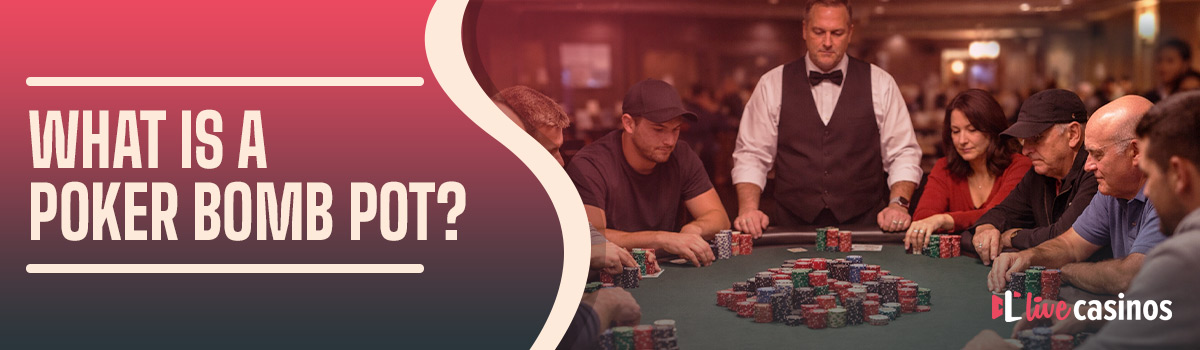
Bomb pots are also used to increase action and pot size. Because everyone contributes before the cards are dealt, the pot is already meaningful when the flop hits. This naturally leads to more multiway hands, more contested pots, and more postflop decisions. For many players, this is more engaging than watching small pots get traded back and forth.
There is also a strong social element to bomb pots. They tend to generate conversation, reactions, and shared moments at the table. That social dynamic is a big part of why tables choose to use them, even though they are not required in any format.
Common Types of Bomb Pots
Bomb pots are not all played the same way. While the basic idea is always that every player posts a forced bet and the hand starts on the flop, the exact format can vary depending on house rules or what the table agrees on. Some games keep bomb pots simple, while others add layers that change how the hand plays out. Understanding these differences is important because they affect strategy, hand values, and how risk is distributed.
The two most common formats you will encounter are single-board bomb pots and double-board bomb pots, often called double-flop bomb pots. Each creates a different type of game dynamic, even though both follow the same core concept.
Single-Board Bomb Pots
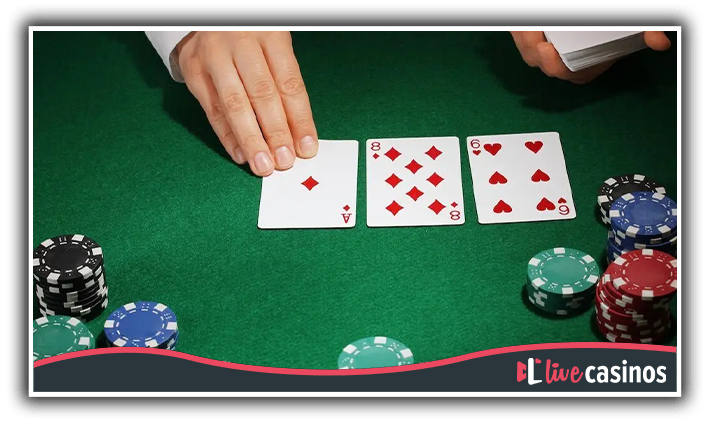
In a single-board bomb pot, the hand is played on one shared board, just like a normal poker hand. All players post the forced bet, hole cards are dealt, the flop is put out immediately, and betting begins. From that point on, the hand proceeds with a turn and river, exactly as it would in standard poker.
The main difference is the pot size and the number of players involved. Because everyone is forced in and there is no preflop betting to thin the field, single-board bomb pots are almost always multiway. This means hands go to the flop with many players still in, which naturally widens ranges and increases the likelihood of someone connecting with the board.
Double-Board (Double-Flop) Bomb Pots
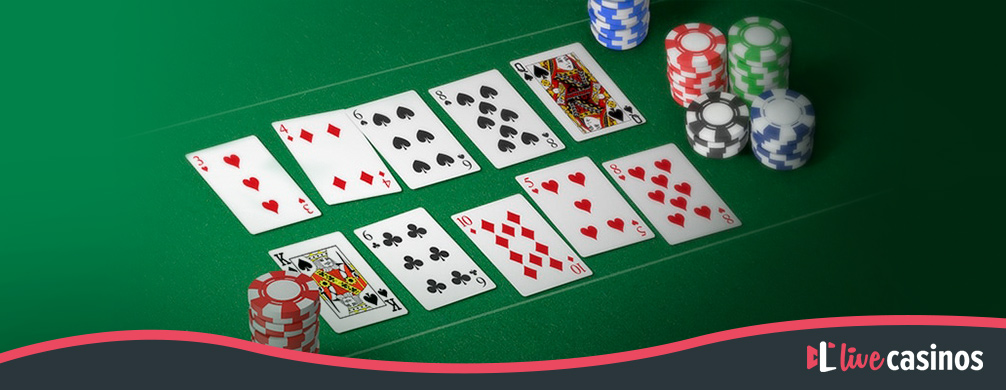
In a double-board bomb pot, two separate boards are dealt at the same time. After the forced bets and hole cards, the dealer puts out two flops instead of one. Each board then gets its own turn and river, and the hand is played across both boards simultaneously.
The pot is typically split evenly between the two boards. This means that if you win one board and lose the other, you break even on that hand. If you win both boards, you scoop the entire pot. If you lose both, you lose your full share. Some house rules may adjust this, but the split-pot structure is the most common.
This format increases complexity because you are effectively playing two hands at once. You have to evaluate your holding against two different sets of community cards, which can pull your equity in different directions. A hand that is strong on one board may be weak on the other, and decisions often involve balancing risk across both. That added layer is why double-board bomb pots are considered more complex and more volatile than single-board versions.
How Bomb Pots Differ From Regular Poker Hands
At a glance, bomb pots and regular poker hands might seem similar. Cards are dealt, community cards come out, and betting happens. But the way a bomb pot starts, and the type of situations it creates are very different from standard poker. These differences change how hands are played, how often players stay involved, and how much preflop strength really matters.
The biggest structural difference is that bomb pots have no preflop betting. In a normal hand, a lot of the action happens before the flop. Players raise, call, or fold based on their starting cards, and many hands end before any community cards are even dealt. In bomb pot poker, that entire phase is removed. Everyone is automatically in, and everyone gets to see the flop.
Another major difference is the size of the pot from the start. In regular hands, the pot usually begins with just the blinds. In bomb pots, every player posts the same amount, so the pot is already meaningful before any decisions are made. This creates immediate pressure and makes postflop mistakes more expensive.
Because everyone is forced in and no one can be pushed out preflop, bomb pots almost always result in multiway action. Instead of two or three players seeing the flop, you might have six, eight, or even more. This changes hand values significantly. Marginal hands go down in value, and strong made hands or big draws become more important.
This is also why preflop hand strength matters less in bomb pots. In a normal game, premium starting hands give you a big advantage because you can raise and isolate weaker players. In a bomb pot, you do not get that chance. A strong starting hand still helps, but it does not protect you from multiple opponents seeing the flop with random holdings. Postflop play becomes much more important than preflop selection.
| Feature |
Regular poker hand |
Bomb pot poker |
| Forced contribution |
Typically blinds only |
All active players post the same amount |
| Blinds |
Small blind and big blind are posted |
No blinds (the bomb pot replaces them for that hand) |
| Preflop betting |
Yes (raise, call, fold) |
No (action starts after the flop) |
| When action begins |
Preflop |
Flop |
| Starting pot size |
Usually small |
Large from the start |
| Typical players seeing flop |
Often 2–3 |
Often 6+ (multiway is common) |
| Range filtering |
Happens preflop via folds and raises |
Little to none before the flop |
| Value of premium starting hands |
High (can isolate and build pots preflop) |
Lower (many opponents see the flop) |
| Postflop complexity |
Moderate (depends on table/game) |
Higher (bigger pots, more players, wider ranges) |
| Variance |
Lower to moderate |
Higher (forced multiway and big pot) |
| Primary skill emphasis |
Preflop and postflop balance |
Postflop decisions and pot control |
How Betting Works in a Bomb Pot
As we already mentioned, in bomb pot poker, betting does not begin until the flop is on the table. Once the flop is out, the first betting round begins, and from that point on, the hand follows the standard betting structure.
After the flop betting round is completed, the hand continues in the usual sequence. The turn card is dealt, followed by another round of betting. Then the river card is dealt, and the final betting round takes place. Aside from the missing preflop stage, bomb pot betting rounds operate the same way as in a regular poker hand.
One important difference is bet sizing. Because the pot is already large before any betting starts, standard bet sizes can represent a much higher percentage of the pot. A half-pot or pot-sized bet in a bomb pot often commits a meaningful amount of chips, which puts immediate pressure on opponents. This tends to reduce small, probing bets and leads to more polarized sizing.
Why Bomb Pots Are High-Variance by Design
In poker, variance simply refers to how much results can swing up and down over short periods of time. High-variance situations create bigger wins and bigger losses compared to more controlled, low-variance play. Bomb pots fall firmly into the high-variance category by design.
One major reason is the multiway nature of bomb pots. Because everyone is forced in and there is no preflop betting, players see the flop in every bomb pot. More players in the hand means more possible combinations, more draws, and more chances for unexpected outcomes. Even strong hands are more vulnerable when several opponents are involved.
Another factor is the lack of preflop filtering. In a normal hand, weak hands are usually folded before the flop, which narrows ranges and makes outcomes more predictable. In bomb pot poker, that filtering never happens. Players see flops with all kinds of holdings, including hands that would normally be folded preflop.
Finally, the larger starting pot magnifies every decision. When the pot is already big before any betting begins, each bet and call carries more weight. This leads to bigger swings in chip stacks and makes individual outcomes feel more dramatic. Combined with multiway action and wide ranges, this is why bomb pots are naturally more volatile and less predictable than standard poker hands.


























 Roulette
 Blackjack
 Baccarat
 Poker
Poker
 Sic Bo
 Dragon Tiger
 Game Shows
  Top 5 Games
  See more
  Roulette Casinos
  Low Limit
  High Limit / VIP
  Exclusive
  How to Play
  Basic Strategy
  Top Tips
  FAQ
FAQ  Blackjack Casinos
  Baccarat Casinos
  Bonuses
  Poker Casinos
  Game Providers
  Sic Bo Casinos
  Dragon Tiger Casinos
  Credit and Debit Card
  e-Wallet
  Cryptocurrency
  Bank and Checks
  Pay by Phone and SMS
  See more
  How-To Guides
  Top Lists
  In-Depth
  Strategy
  Casino & Games
  Insight
  News
News  Promotions
 Guide to Live Casinos
  Top 10 Live Casino Tips
  Studio Locations
  FAQ & Help
  Meet The Dealers
  Our Awards
  How We Rate
  Responsible Gambling


 ENG
ENG 






 Prepare for bigger swings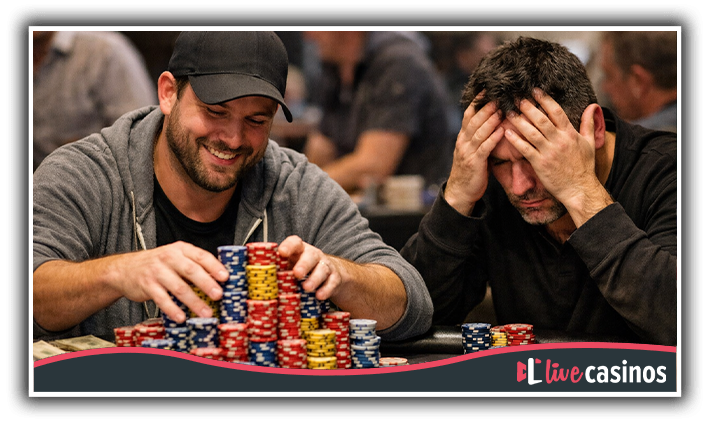
 Facebook
 Pinterest
 Twitter
 LinkedIn
 Copy Link