






















 Roulette
 Blackjack
 Baccarat
 Poker
Poker
 Sic Bo
 Dragon Tiger
 Game Shows
  Top 5 Games
  See more
  Roulette Casinos
  Low Limit
  High Limit / VIP
  Exclusive
  How to Play
  Basic Strategy
  Top Tips
  FAQ
FAQ  Blackjack Casinos
  Baccarat Casinos
  Bonuses
  Poker Casinos
  Game Providers
  Sic Bo Casinos
  Dragon Tiger Casinos
  Credit and Debit Card
  e-Wallet
  Cryptocurrency
  Bank and Checks
  Pay by Phone and SMS
  See more
  How-To Guides
  Top Lists
  In-Depth
  Strategy
  Casino & Games
  Insight
  News
News  Promotions
 Guide to Live Casinos
  Top 10 Live Casino Tips
  Studio Locations
  FAQ & Help
  Meet The Dealers
  Our Awards
  How We Rate
  Responsible Gambling


 ENG
ENG 



High-stakes players absolutely get treated differently on the casino floor—but it has nothing to do with their VIP status or personality. Casinos do not monitor a player’s emotions; they strictly monitor the cash in play and the financial danger it represents to their bottom line. For instance, a single player dropping $20,000 on a blackjack hand poses a much sharper, more unpredictable risk to the house than ten different players betting $2,000 each.
Before we get into the methods casinos use to monitor high rollers, we need to examine why high rollers and high-stakes gambling attract so much attention in casinos. Well, from the casino standpoint, it’s pretty obvious. Unlike regular gamblers, these so called high-rolling “whales” can have an effect, sometimes a devastating effect, on a casino’s bottom line. This article looks at all the subtleties of casino monitoring as well as the hidden crudeness casinos can display in their treatment of high rollers.
Having been a high-stakes player from my teenage years up until my current golden ones, I know all the ins and outs of high-stakes gambling. By the age of 16, I was playing baccarat in my high school cafeteria when virtually no Caucasians in the US had ever heard of the Asian gambling game. So, during a half century playing that and all the other casino games, I’ve come to fully understand how and why casinos monitor high-stakes players.
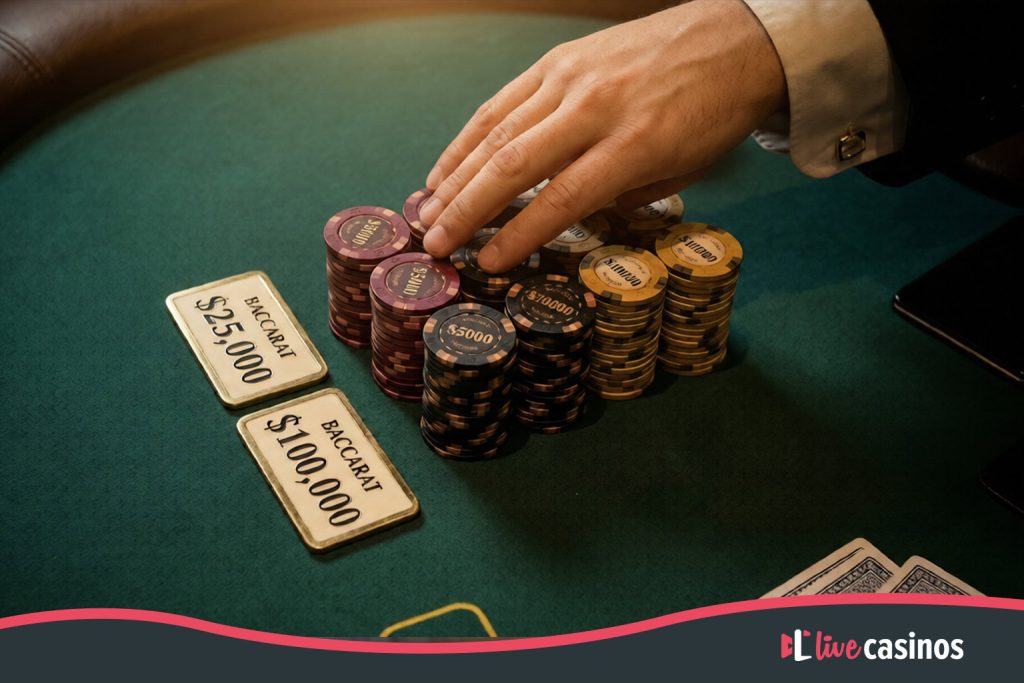
Speaking of baccarat, a casino often has a huge bet-size risk exposure there that could put its daily numbers in the red. I’m talking about players in high-limit betting rooms wagering as much a $1 million per hand. In these high-limit games, players often bet on the same side, Player or Bank, so a casino might be risking several million dollars on any given hand. Even high-rollers with an average bet-size of $10,000 per hand can give casinos a giant headache. When casinos see these big-action players, it’s all about watching their action, not personal scrutiny on those betting big, unless, of course, there’s suspicion involved with sustained high-stakes play that results in repetitive winning sessions.
With millions of dollars moving across high-limit baccarat tables — whether in a physical VIP room or an online live dealer environment — the margins between informed play and costly mistakes are razor-thin. Understanding the fundamentals of live baccarat matters long before you sit down at a high-limit table.
How Casinos Monitor High-Stakes Players
Casinos monitor high-stakes players primarily based on exposure and betting structure, not emotion or personality. The main triggers include:
- Concentrated risk exposure from large single wagers
- Sustained high-limit sessions that increase cumulative liability
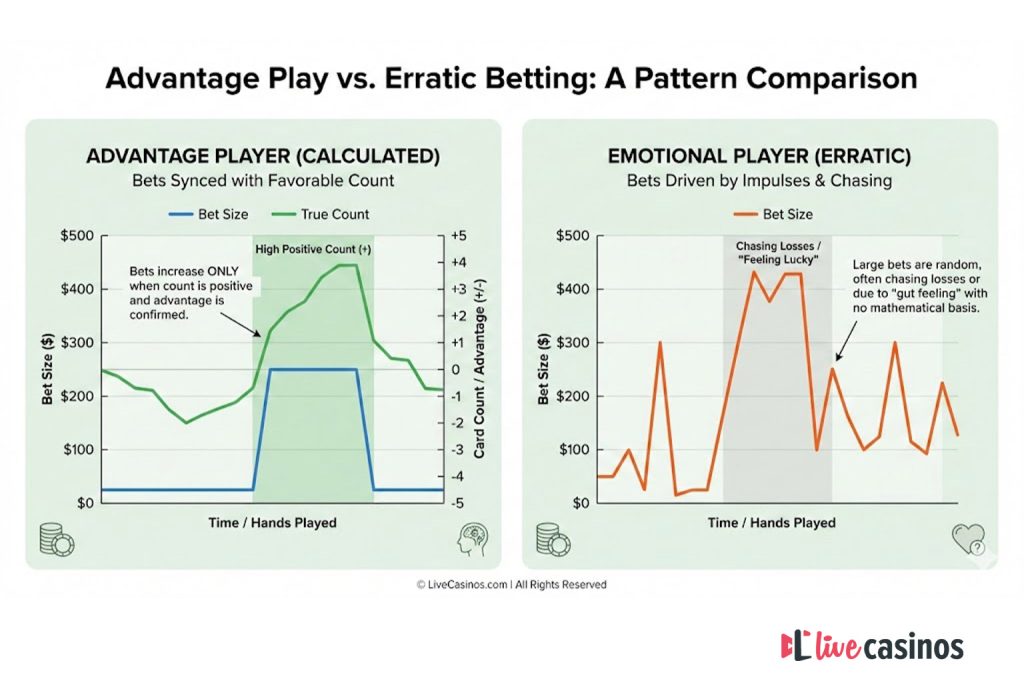
- Betting patterns that correlate with statistical advantage
- Unusual volatility or repeated favorable swings
At higher stakes, monitoring intensifies because the financial impact of each decision becomes more significant.
Why Casinos Watch High Rollers: The Math Behind the Monitoring
The short answer is simply that high-stakes players bet more money on each gambling outcome than regular players do, which cumulatively poses a large risk to the casino bankroll. This puts the casino at risk to suffer negative consequences much quicker than they would in the face of lower-limit players. I should mention that high-stakes casino players who attract more attention usually are not singled out because of suspicion of cheating or engaging in advantage play. In those cases, knowledgeable high rollers take advantage of casino vulnerabilities, such as weak dealers who don’t protect their cards, to gain a legal advantage over the house. The main reason cheats and advantage players attract that attention is the risk exposure they represent for casinos in the short run. But true big players can gang up on high-stakes tables that run hot for the players for a significant amount of time. Such occurrences can result in enormous losses for the casinos. So, for them, it’s about categorizing risk and threats to their bankrolls. The bigger the risk, the more intensive monitoring of the players.
Follow the Money: How Bet Sizing Triggers Casino Surveillance
It’s not just the amount of money being bet that matters, but how that money is being bet. For example, if one round of blackjack has $20,000 bet on it, the risk of that amount to casinos can have different levels. If it’s one person betting the $20,000 on a single hand, that has bigger repercussions than when it’s ten players betting $2,000 each on the same hand. If we look at the aggregate of this gambling scenario, the casino is far more exposed to risk when the twenty grand is being fired off by a single player, who may increase his bets dramatically and quickly, while it’s highly improbable that ten players would increase their bets along the same lines to reach the total bet-amount of the single hot player.
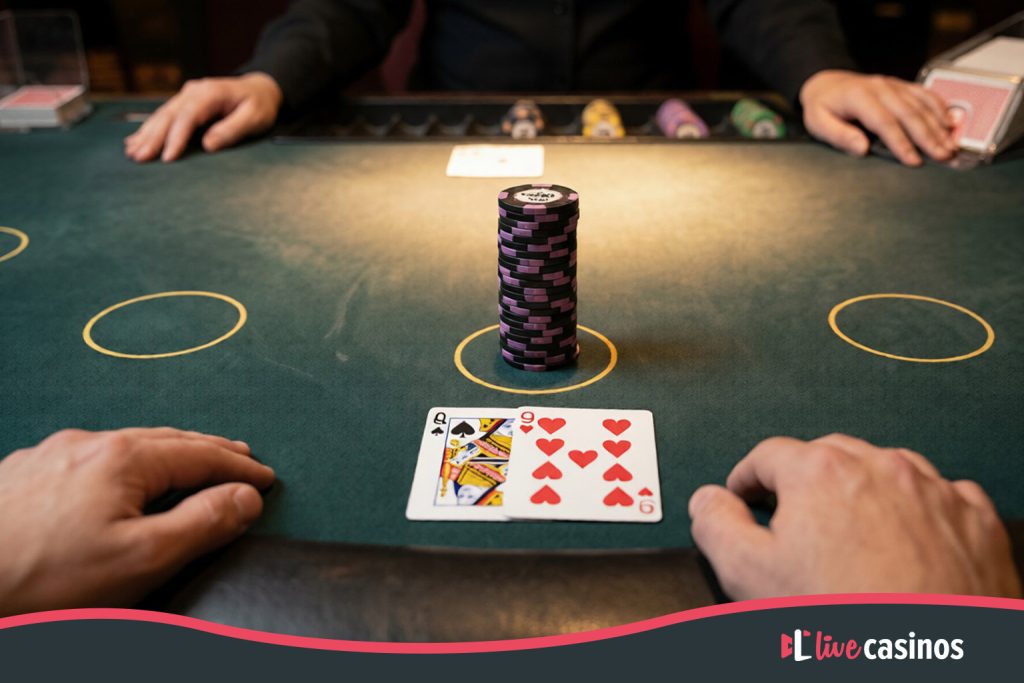
A final characteristic about high rollers attracting more attention than those players less of a threat to the casino is that it’s not about personal scrutiny of people. Casinos are largely indifferent to players’ personalities unless those behaviors affect the casino’s profit margin. Casinos don’t monitor emotion. They only monitor the cash, the cash in play and the present danger it might expose the casino to.




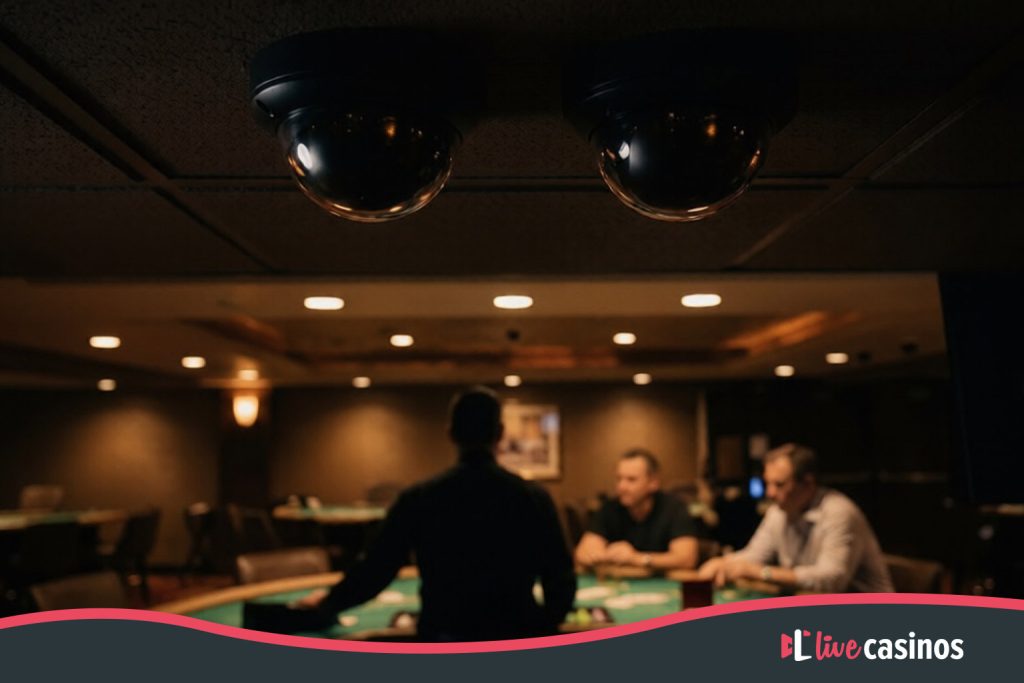

 What is the role of casino surveillance?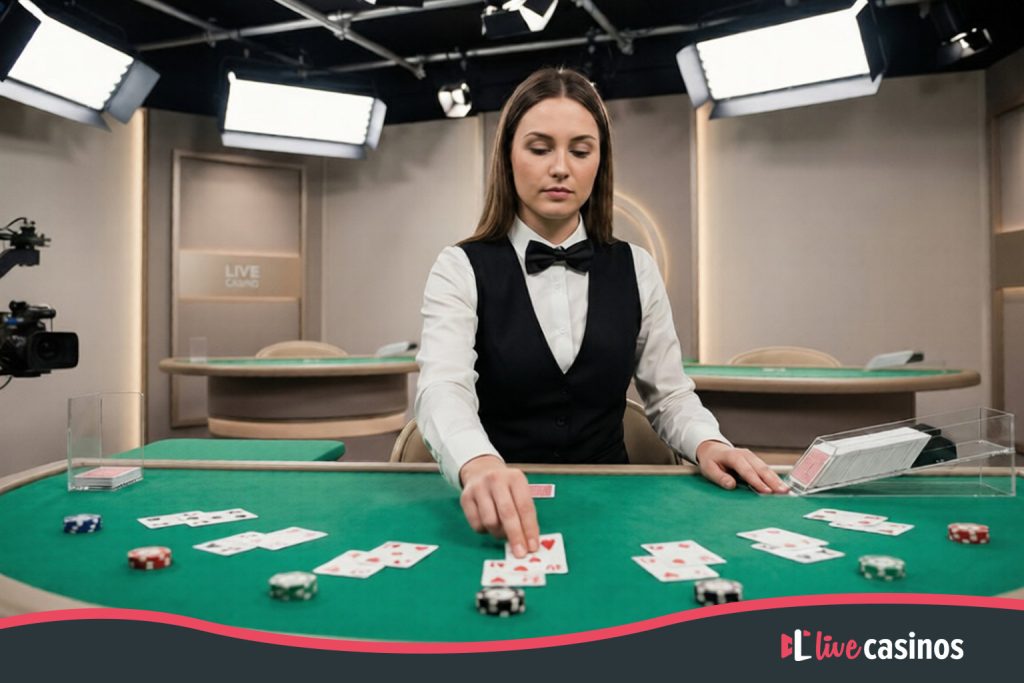
 Facebook
) Pinterest
Pinterest
 Twitter
 LinkedIn
 Copy Link