























 Roulette
 Blackjack
 Baccarat
 Poker
Poker
 Sic Bo
 Dragon Tiger
 Game Shows
  Top 5 Games
  See more
  Roulette Casinos
  Low Limit
  High Limit / VIP
  Exclusive
  How to Play
  Basic Strategy
  Top Tips
  FAQ
FAQ  Blackjack Casinos
  Baccarat Casinos
  Bonuses
  Poker Casinos
  Game Providers
  Sic Bo Casinos
  Dragon Tiger Casinos
  Credit and Debit Card
  e-Wallet
  Cryptocurrency
  Bank and Checks
  Pay by Phone and SMS
  See more
  How-To Guides
  Top Lists
  In-Depth
  Strategy
  Casino & Games
  Insight
  News
News  Promotions
 Guide to Live Casinos
  Top 10 Live Casino Tips
  Studio Locations
  FAQ & Help
  Meet The Dealers
  Our Awards
  How We Rate
  Responsible Gambling


 ENG
ENG 



Regular casino players, especially high-rollers, are aware of the importance of having multiple payment methods for deposit and withdrawal available. Having wire transfers as an option is often crucial for players entering high-stakes online casinos, because other methods often don’t allow even five-figure withdrawals.
Credit cards usually cap deposits between $2,500 and $10,000. E-wallets rarely allow more than $50,000, even at the highest verification levels. Wire transfers operate on institutional banking rails and comfortably support $50,000 to $500,000+ in a single transaction. At that scale, many online casinos accept wires as the only viable funding method.
Also, must know that wire transfers are fundamentally different from ACH or SEPA transfers. ACH and SEPA are batch systems with reversibility and network caps. Wires are direct bank instructions, and once processed, they cannot be recalled. This is exactly why casinos rely on wires for six-figure deposits and withdrawals, and why banks subject them to stricter controls.
However, wire transfers have a significant trade-off. While many methods used for smaller deposits and withdrawals are very fast, wire transfers can take three to seven business days, and they are also expensive. Most players pay $15 to $75 per transaction, with additional intermediary fees on international wires.
In this guide, we will cover all these issues, along with deposit and withdrawal procedures step by step, which will help you decide on the payment method you are using when dealing with an online casino.
Understanding Wire Casino Transfers
There are many things they need to know upfront about wire transfers: how they differ from other bank transfer types, the differences between domestic and international wire transfers, and how they work in general. We will cover all those things in this section.
Wire Transfer vs Other Bank Transfer Types
Wire transfers move funds bank-to-bank through dedicated settlement systems and become effectively irreversible once processed. That is why casinos treat them as the default option for large deposits and withdrawals. This type of security costs, so fees are higher compared to other types of money transfers. You will pay roughly $15 to $75 per transfer, depending on whether it is domestic or international. The transfer is slower than usual as well and will take one to five business days.
ACH transfers in the US are different because it is batch processing. It is cheaper, slower in many cases, and there is a chance that you will be able to reverse the transfer if necessary. However, this creates chargeback risk for casinos, which is the main reason why they generally avoid ACH for deposits or restrict it to lower amounts. Typical ACH limits are set by banks and vary widely, but daily caps are usually in the $25,000 to $100,000 range.
SEPA transfers in Europe are closer to an everyday bank transfer standard for euro-denominated payments. SEPA can be fast and inexpensive, often one to two business days with low fees, but it is euro-only, which means it won’t be available at all casinos.
Domestic vs International Wire Transfers
Domestic wire transfers are money transfers within the same country, as you probably already guessed by the name. In the US, domestic wires run through the Federal Reserve’s Fedwire system and require an ABA routing number plus an account number. Fees are usually lower, often $15 to $35. Processing times are usually lower as well, but they sometimes depend on the moment when you sent the request. Instructions sent in the morning may settle the same day. Instructions sent late afternoon often move the next business day.
International wire transfers move across borders and usually run through the SWIFT network. They require a SWIFT or BIC code, and for many European recipients, an IBAN. International wire transfers often route through one or more intermediary banks, which means the transfer takes longer, and the fees are usually higher. Outgoing fees usually sit between $35 and $75, incoming fees between $15 and $30, and each intermediary can deduct $10 to $25 from the amount in transit. Timelines of three to seven business days are common, and longer is not unusual when compliance checks or currency conversion are involved.
The Technicalities Behind Wire Transfers
A wire transfer starts with an instruction from the player to their bank, using the casino’s details. The sending bank verifies the account balance, confirms authorization, and transmits the payment message through Fedwire for domestic transfers or through SWIFT for international transfers. International wire transfers may pass through one to three intermediary banks before reaching the receiving bank that holds the casino’s account.
Once received, the casino’s bank credits the casino’s account, and the casino’s payment team reconciles the incoming funds to the correct player account using the reference field or payment memo. That reference is the link between the wire and your casino profile. Without it, deposits can arrive, but the staff won’t be able to match them with your account.




 What Should I Do if a Transfer Takes More than Expected?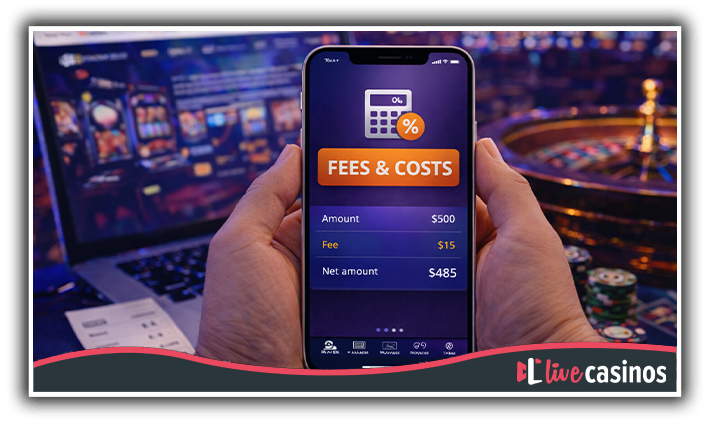
 Facebook
 Pinterest
 Twitter
 LinkedIn
 Copy Link